
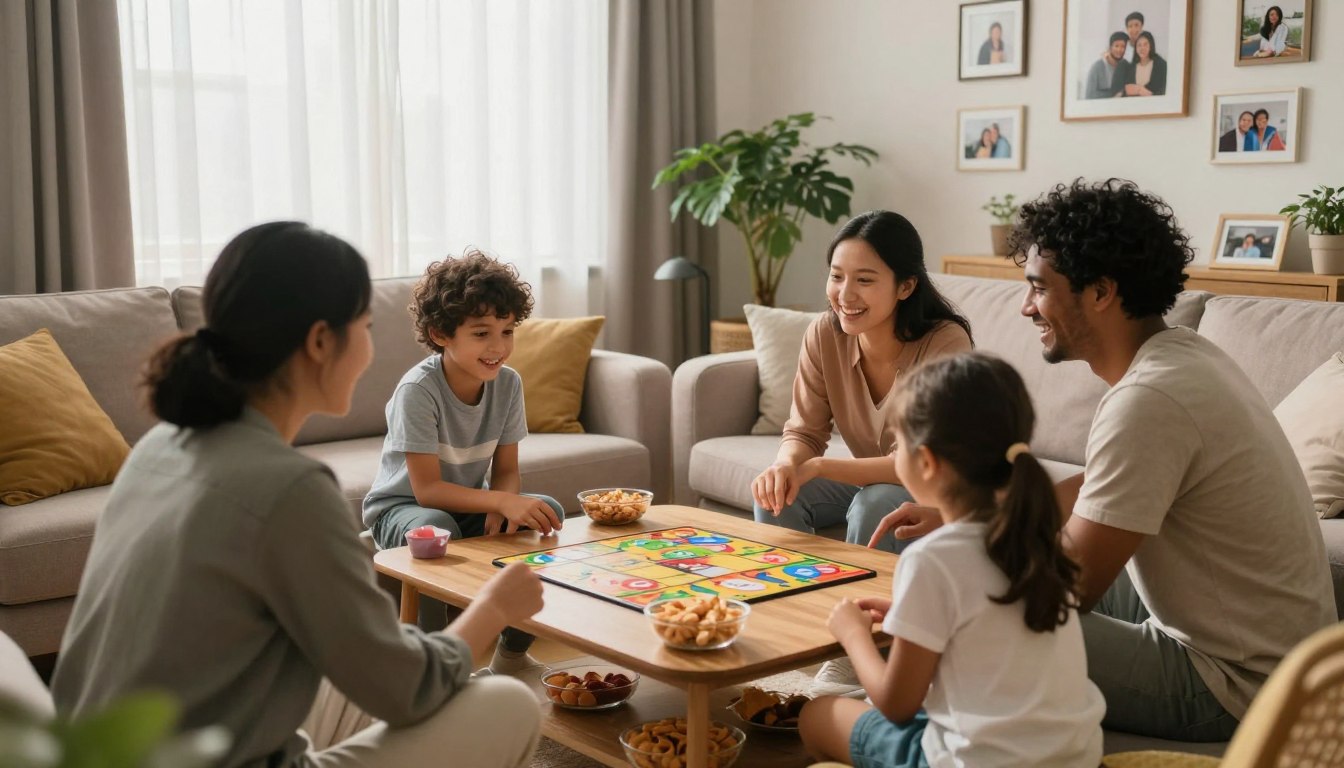
Research indicates that the average American household spends only 37 minutes of quality time together on a typical weekday. This striking statistic explains why many homes feel more like hectic hubs than serene sanctuaries. Often, the fast pace of modern life leaves little room for meaningful conversation or shared laughter. Creating a sanctuary where every person feels truly valued is vital for the emotional well-being of the entire group.
When you focus on fostering family harmony, you create an environment where everyone can thrive and feel safe. It is not about reaching a state of total perfection, but about embracing small, positive changes daily. This intentional approach helps reduce tension and invites more joy into your shared living space. Finding ways to bridge communication gaps is the first step toward a more united and happy home.
By building peaceful relationships with those closest to you, you ensure that your house remains a supportive safe harbor. This guide provides actionable steps to help you navigate common obstacles and improve your daily interactions with ease. Let’s explore how you can start this rewarding journey toward a calmer life today. You deserve a home filled with kindness, respect, and lasting stability.
Key Takeaways
- Prioritize active listening to ensure every member feels heard and understood.
- Establish consistent daily rituals to strengthen emotional bonds and connection.
- Create clear boundaries that respect personal space and individual needs.
- Practice regular gratitude to shift the household focus toward positive experiences.
- Develop healthy conflict resolution skills to handle disagreements without unnecessary stress.
- Dedicate time for screen-free activities to encourage deeper interpersonal engagement.
Understanding the Foundation of Healthy Family Relationships
Healthy family relationships are the backbone of a happy and stable home environment. At the heart of these relationships are effective communication and the ability to resolve conflicts in a constructive manner.
Effective communication is crucial for improving family communication. It involves not just speaking, but also listening actively to each other. When family members feel heard and understood, it strengthens their bond and fosters a sense of unity.
Family conflict resolution is another vital aspect. Conflicts are inevitable, but it’s how they are managed that matters. Families who can resolve disputes in a respectful and fair manner are more likely to maintain harmony.
A key component of healthy family relationships is mutual respect. When family members respect each other’s feelings, boundaries, and opinions, it creates a positive and supportive environment.
| Key Elements | Description | Benefits |
|---|---|---|
| Effective Communication | Involves active listening and clear expression of thoughts and feelings. | Strengthens family bonds, reduces misunderstandings. |
| Conflict Resolution | Addressing conflicts in a respectful and constructive manner. | Maintains harmony, teaches problem-solving skills. |
| Mutual Respect | Valuing each other’s feelings, boundaries, and opinions. | Fosters a positive and supportive home environment. |
Establish Clear and Respectful Communication Channels
Establishing open and honest communication channels is vital for family harmony. When family members feel heard and understood, it strengthens their bond and fosters a more positive environment.
Practice Active Listening with Every Family Member
Active listening is a powerful tool for improving family communication. It involves giving your full attention to the speaker, understanding their perspective, and responding thoughtfully.
- Maintain eye contact with the speaker to show you’re engaged.
- Avoid interrupting, even if you think you know what the other person is going to say.
- Use verbal and non-verbal cues to show you’re interested in the conversation.
Create Regular Family Meeting Times
Regular family meetings provide a structured opportunity for everyone to come together, share their thoughts, and discuss any issues. This practice helps in strengthening family bonds and ensuring that everyone is on the same page.
To make family meetings effective:
- Schedule them in advance so everyone can prepare.
- Create a safe and respectful environment where everyone feels comfortable sharing their thoughts.
- Encourage open discussion and active participation from all family members.
Use “I” Statements Instead of Blame Language
Using “I” statements is a simple yet effective way to express feelings and thoughts without placing blame. This approach helps prevent defensiveness and promotes a more constructive conversation.
For example, instead of saying “You always,” say “I feel frustrated when…”. This subtle change in language can significantly improve family communication and reduce conflict.
Building Peaceful Family Relationships Through Consistent Routines
Establishing consistent routines is a powerful way to foster a more peaceful and harmonious family environment. When family members know what to expect from their daily interactions, it reduces uncertainty and anxiety, creating a more stable home life.
Consistent routines provide a sense of security and stability, which is particularly beneficial for children. It helps them understand the world around them and feel safe within their family unit. Daily connection rituals and predictable schedules are key elements in achieving this stability.
Develop Daily Connection Rituals
Daily connection rituals are activities that family members engage in together on a regular basis. These can be as simple as having dinner together, reading a bedtime story, or practicing a family meditation or prayer. These rituals help strengthen family bonds and create lasting memories.
To develop effective daily connection rituals, consider the following:
- Identify activities that everyone enjoys and can participate in.
- Schedule these activities at the same time every day to establish a routine.
- Be consistent and make sure all family members understand the importance of these rituals.
Establish Predictable Family Schedules
A predictable family schedule helps in organizing daily life, ensuring that everyone is on the same page. This includes setting regular times for meals, homework, chores, and leisure activities. Predictability reduces conflicts and makes it easier for family members to cooperate.
To establish a predictable family schedule:
- Create a shared calendar that outlines everyone’s activities and responsibilities.
- Set clear expectations for daily tasks and chores.
- Allow for some flexibility to accommodate unexpected events or changes in plans.
By implementing consistent routines, families can promote positive family dynamics and build more peaceful relationships. It’s about creating an environment where everyone feels valued, heard, and understood.
Master Effective Conflict Resolution Techniques
Families who master conflict resolution techniques can navigate challenges more smoothly and build stronger relationships. Conflict is a natural part of any family dynamic, but it’s how we manage and resolve these conflicts that matters.
Address Issues Early Before They Escalate
One of the key strategies in effective conflict resolution is addressing issues as soon as they arise. Ignoring problems or letting them simmer can lead to resentment and more significant conflicts down the line.
Early intervention helps prevent the escalation of minor issues into major disputes. It involves being proactive and open to discussing problems as they emerge.
Teach Children Problem-Solving Skills
Equipping children with problem-solving skills is essential for their development and for fostering a harmonious family environment. By teaching children how to analyze problems, identify solutions, and make informed decisions, parents can help them navigate conflicts more effectively.
This can be achieved through guided discussions and by encouraging children to think critically about the consequences of their actions and the potential outcomes of different solutions.
Implement Cool-Down Periods When Tensions Rise
Sometimes, conflicts can become heated, and emotions can run high. In such situations, implementing a cool-down period can be beneficial. This involves taking a break from the conflict to calm down and reflect on the issue at hand.
A cool-down period allows family members to regain their composure and approach the conflict with a clearer mind, leading to more constructive and respectful discussions.
| Strategy | Description | Benefits |
|---|---|---|
| Addressing Issues Early | Discuss problems as they emerge | Prevents escalation, promotes open communication |
| Teaching Problem-Solving Skills | Guide children in analyzing problems and finding solutions | Enhances critical thinking, promotes independence |
| Implementing Cool-Down Periods | Take breaks during heated conflicts to calm down | Reduces tension, leads to more constructive discussions |

By mastering effective conflict resolution techniques, families can create a more peaceful and supportive home environment. It’s about being proactive, teaching valuable skills, and knowing when to take a step back.
Strengthen Family Bonds Through Quality Time
Quality time is a vital component in fostering a supportive and loving family environment. By dedicating time to shared activities and individual connections, families can strengthen their bonds and promote positive dynamics.
Investing in quality time allows family members to feel seen, heard, and valued. It’s an opportunity to create lasting memories and deepen relationships.
Plan Regular One-on-One Time with Each Family Member
One-on-one time is essential for building strong, individual relationships within the family. It allows parents to connect with each child, understanding their unique needs and interests.
- Spend individual time with each child doing activities they enjoy.
- Use this time to listen to their thoughts, feelings, and experiences.
- Show genuine interest and support in their endeavors.
Create Shared Family Experiences and Traditions
Shared experiences and traditions bring families closer together, creating a sense of unity and belonging.
Family traditions can be as simple as having a weekly dinner together or as elaborate as planning an annual vacation. The key is to create activities that everyone looks forward to and enjoys.
By incorporating these practices into daily life, families can strengthen their bonds and promote a positive, supportive environment. Regular one-on-one time and shared family experiences are foundational elements in achieving this goal.
Build Trust and Emotional Safety Within Your Home
Creating a home where trust and emotional safety thrive is essential for family well-being. When family members feel secure and supported, they are more likely to communicate openly and maintain healthy relationships.
Trust is the foundation upon which strong family bonds are built. It involves reliability, honesty, and a sense of security. Emotional safety, on the other hand, refers to an environment where individuals feel comfortable expressing their feelings without fear of judgment or rejection.
Follow Through on Promises and Commitments
One of the most effective ways to build trust is by following through on promises and commitments. When family members consistently honor their commitments, it reinforces a sense of reliability and responsibility.
Key Strategies:
- Be punctual and respectful of others’ time.
- Communicate clearly about your intentions and capabilities.
- Apologize and make amends if you fail to keep a promise.
Create a Judgment-Free Zone for Sharing Feelings
Creating an environment where family members feel safe sharing their feelings is crucial. This involves active listening and a non-judgmental attitude.
“When we listen with empathy and understanding, we create a space where others feel heard and validated.”
To achieve this, practice active listening by giving the speaker your full attention and avoiding interrupting.
Respect Privacy and Personal Boundaries
Respecting each family member’s privacy and personal boundaries is vital for maintaining trust. This includes being mindful of physical and emotional boundaries.
| Boundary Type | Description | Example |
|---|---|---|
| Physical | Respect personal space | Knocking before entering someone’s room |
| Emotional | Avoid unsolicited advice or criticism | Listening without judgment when someone shares their feelings |
| Digital | Respect privacy in digital communications | Not sharing personal messages or photos without permission |

By implementing these strategies, families can foster an environment of trust and emotional safety, leading to stronger, more resilient relationships.
Navigate Co-Parenting Challenges with Unity
The key to successful co-parenting lies in the ability to present a united front, support each other’s parenting styles, and resolve disagreements privately. This unity is crucial for creating a stable and loving environment that allows children to flourish. When co-parents work together effectively, they can provide a consistent and predictable world for their children, which is essential for healthy development.
Presenting a United Front on Major Decisions is vital in co-parenting. When parents agree on significant issues, it sends a clear message to the children and avoids confusion. This unity helps in establishing clear boundaries and expectations, making it easier for children to understand what is expected of them.
Present a United Front on Major Decisions
Co-parents should strive to agree on major decisions such as education, health, and discipline. This doesn’t mean they have to agree on everything, but they should present a united front to the children. For instance, if one parent is more lenient, the other can be firmer, but they should discuss and agree on the overall approach before presenting it to the children.
| Decision Area | United Front Strategies | Benefits |
|---|---|---|
| Education | Agree on educational goals and standards | Consistent expectations for children’s academic performance |
| Health | Share health decisions and routines | Better health outcomes through consistent care |
| Discipline | Align on disciplinary actions and consequences | Clear boundaries and consistent consequences |
Support Each Other’s Parenting Styles
Supporting each other’s parenting styles is crucial for maintaining unity. Each parent may have different approaches, but they should respect and support these differences. As Dr. John Gottman, a renowned relationship expert, notes, “When parents are able to work together, to listen to each other, and to support each other, children feel more secure and are more likely to thrive.”
“When parents are able to work together, to listen to each other, and to support each other, children feel more secure and are more likely to thrive.”
Resolve Parenting Disagreements Privately
Resolving parenting disagreements privately is essential to maintaining a united front. Co-parents should discuss their differences in private, away from the children, to avoid undermining each other’s authority. This approach helps in resolving conflicts without involving the children and prevents them from being caught in the middle.
By implementing these strategies, co-parents can navigate the challenges of co-parenting with unity and provide a stable, loving environment for their children to grow and thrive.
Conclusion
Fostering a harmonious home environment is a continuous process that requires effort, patience, and dedication from all family members. By implementing the strategies discussed, such as establishing clear communication channels, building consistent routines, and mastering conflict resolution techniques, you can significantly improve your family’s dynamics.
Building peaceful family relationships is crucial for creating a supportive and loving environment where everyone can thrive. By prioritizing quality time, trust, and emotional safety, you can strengthen your family bonds and navigate challenges more effectively.
As you work towards fostering family harmony, remember that every small step counts. Start with one or two changes and gradually build upon them. With persistence and commitment, you can create a more peaceful and loving home environment that benefits everyone.