
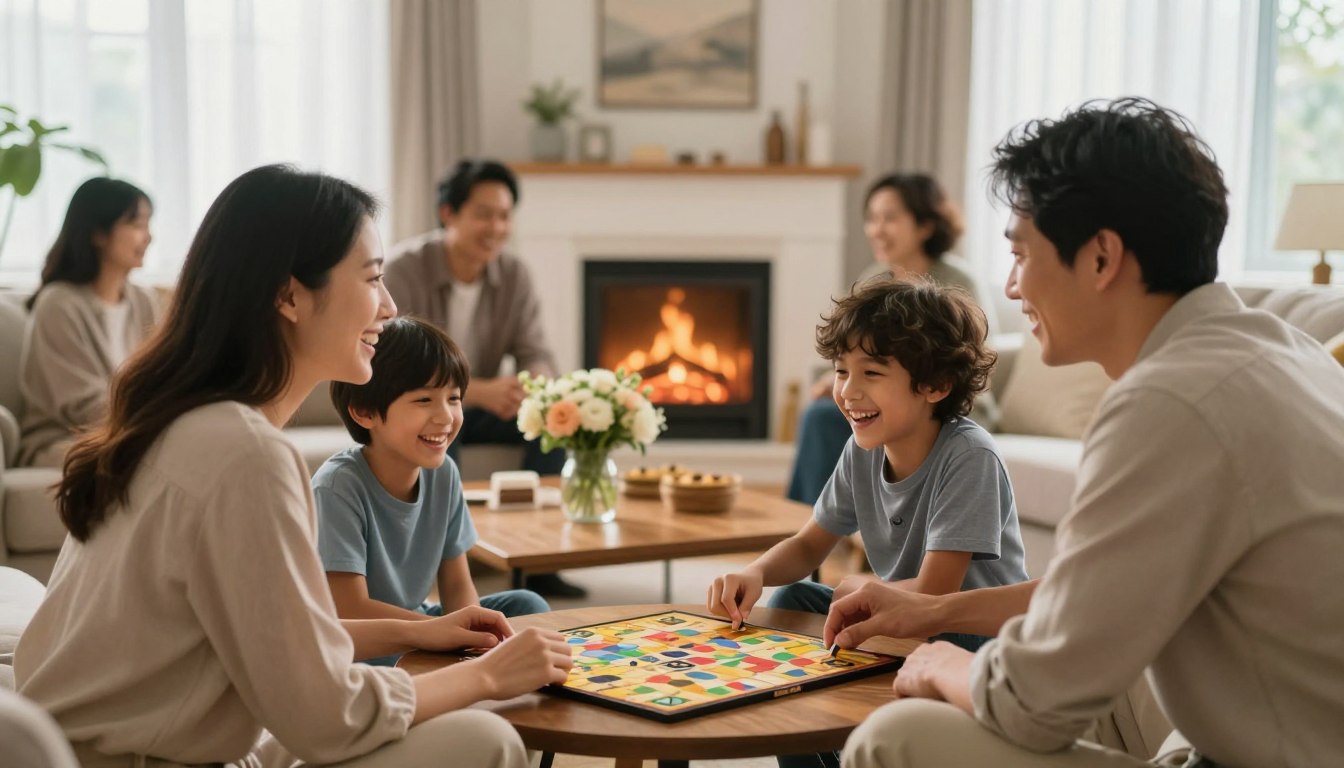
Did you know that the average American household spends only thirty-seven minutes of quality time together on a typical weekday? This startling statistic highlights how modern schedules often pull us in different directions. Making the most of those brief moments is vital for a happy home.
Life in the United States moves fast, but your household can remain a peaceful sanctuary. Focusing on improving family relationships creates a foundation of support and love. You deserve a space where everyone feels safe to share their thoughts and feelings.
By trying new family harmony strategies, you can turn daily tension into meaningful connection. These small shifts in communication and habits lead to long-term happiness. Let’s explore how you can foster a more cohesive and joyful environment for your loved ones.
Key Takeaways
- Prioritize active listening to ensure every member feels truly heard.
- Schedule consistent quality time to bond without digital distractions.
- Practice empathy to resolve small conflicts before they grow larger.
- Establish clear household boundaries that respect everyone’s personal space.
- Celebrate individual achievements to boost morale and mutual respect.
- Maintain a positive tone during difficult or stressful conversations.
Why Family Harmony Matters for Your Household
Family harmony is the cornerstone of a happy and healthy household. It involves fostering positive family dynamics and building strong family bonds, which are crucial for creating a supportive environment where all members feel valued and loved.
When family members live in harmony, they experience less stress and more support from one another. This positive atmosphere encourages open communication, trust, and cooperation among family members. As a result, family harmony contributes to the overall well-being of the family.
A harmonious family environment has a profound impact on the emotional and psychological well-being of its members. It helps in reducing conflicts and promoting a sense of belonging. Family members are more likely to feel secure and supported, which is essential for their development and happiness.
To achieve family harmony, it’s essential to understand its importance and make a conscious effort to cultivate positive relationships within the family. This involves being supportive, practicing empathy, and resolving conflicts in a constructive manner.
By focusing on these aspects, families can create a loving and supportive home environment that benefits all members.
Establish Clear Communication Channels
Effective communication is the backbone of family harmony, and establishing clear channels is crucial for a peaceful household. When family members can express themselves clearly and listen to each other, it fosters an environment of understanding and respect.
Create Regular Family Meeting Times
Regular family meetings provide a structured opportunity for everyone to come together, share their thoughts, and discuss any issues. This practice helps in preventing misunderstandings and promotes a sense of unity.
Choose the Right Frequency and Format
Deciding on the frequency and format of family meetings is crucial. Some families prefer weekly meetings, while others find monthly or bi-weekly meetings more suitable. The format can vary from formal sit-down meetings to more casual gatherings, depending on what works best for the family.
It’s essential to be flexible and adapt the frequency and format as needed. For instance, during periods of high stress or significant change, more frequent meetings might be beneficial.
Set an Agenda Everyone Can Contribute To
Creating an agenda that everyone can contribute to ensures that all family members feel included and heard. This can be done by circulating a shared document or having a designated spot where members can add topics they wish to discuss.
By involving everyone in the agenda-setting process, you encourage participation and make the meetings more productive and meaningful.
Practice Active Listening Skills
Active listening is a critical component of effective communication. It involves giving the speaker your full attention and making an effort to understand their perspective.
Give Your Full Attention Without Interrupting
Giving your full attention means putting away distractions like phones and making eye contact with the speaker. It’s also important to avoid interrupting, as this can make the speaker feel unheard and unvalued.
Reflect Back What You Hear
Reflecting back what you’ve heard is a powerful way to show that you’re actively listening. This can be as simple as paraphrasing what the speaker has said or acknowledging their feelings.
By doing so, you help to prevent misunderstandings and show that you value the other person’s thoughts and feelings.
Use “I” Statements to Express Feelings
Using “I” statements is an effective way to express feelings without placing blame or causing defensiveness. This helps to maintain a positive and respectful tone in family discussions.
For example, saying “I feel frustrated when…” instead of “You always…” can significantly reduce conflict and promote a more constructive conversation.
Implement Effective Family Harmony Strategies
To create a harmonious family environment, it’s essential to implement strategies that promote unity and understanding. By doing so, families can foster a supportive and loving atmosphere where every member feels valued and respected.
Set Shared Family Goals and Values
Establishing shared family goals and values is a powerful way to enhance family cohesion. When family members work together towards common objectives, it strengthens their bond and promotes a sense of unity. To achieve this, families can:
- Hold regular discussions to identify and agree on core values
- Set realistic and achievable family goals
- Create a family mission statement that reflects their shared values and objectives
By setting shared goals and values, families can create a sense of direction and purpose, helping to guide their decisions and actions.
Develop Family Rituals and Traditions
Family rituals and traditions play a significant role in fostering a sense of belonging and togetherness. These can be simple daily practices or more elaborate weekly or monthly events.
Daily Connection Rituals
Daily connection rituals can be as simple as having dinner together, sharing gratitude at bedtime, or engaging in a family game night. These rituals help create a sense of closeness and strengthen family bonds.
“The family that eats together, stays together.” This old adage highlights the importance of sharing meals as a family. It’s not just about the food; it’s about the time spent together, sharing stories and experiences.
Weekly and Monthly Traditions
Weekly and monthly traditions can include activities like family outings, game nights, or volunteer work. These events provide opportunities for family members to spend quality time together, creating lasting memories.
For example, families can establish a weekly tradition of having a movie night, where they watch a film together and discuss it afterwards. Monthly traditions could include outdoor activities like hiking or visiting local attractions.
Balance Individual Needs with Family Unity
While family unity is crucial, it’s equally important to respect and acknowledge the individual needs of each family member. Striking a balance between individuality and togetherness is key to maintaining harmony.
Families can achieve this balance by:
- Encouraging personal interests and hobbies
- Respecting individual boundaries and personal space
- Supporting each other’s goals and aspirations
By doing so, families can create an environment where every member feels supported and valued, both as an individual and as part of the family unit.
Master Conflict Resolution Techniques
Mastering conflict resolution techniques is essential for a peaceful family environment. Conflicts are a natural part of family life, but it’s how we manage them that matters. By learning effective conflict resolution strategies, families can strengthen their bonds and create a more harmonious home.
Address Issues Before They Escalate
One of the key aspects of conflict resolution is addressing issues before they escalate into full-blown problems. This involves being proactive and recognizing the early signs of conflict.
Recognize Early Warning Signs
Being able to recognize early warning signs of conflict can help prevent minor issues from becoming major problems. These signs can include changes in behavior, increased tension, or withdrawal from family activities.
Create a Safe Space for Discussion
Creating a safe space for discussion allows family members to express their feelings and concerns without fear of judgment or retribution. This can be achieved by setting aside dedicated time to talk and listen to each other.

Teach Children Problem-Solving Skills
Teaching children problem-solving skills is crucial for their development and for maintaining family harmony. By encouraging children to think critically about conflicts and come up with their own solutions, parents can help them become more independent and confident.
Establish Fair Rules for Disagreements
Establishing fair rules for disagreements helps ensure that conflicts are resolved in a constructive manner. This includes setting clear guidelines for how to disagree respectfully and how to work towards a resolution.
The Calm-Down Period Approach
One effective strategy is the calm-down period approach, where family members take time to calm down before discussing the issue. This helps prevent heated arguments and promotes more rational discussion.
Finding Win-Win Solutions
Another important aspect is finding win-win solutions that satisfy all parties involved. This involves active listening, empathy, and a willingness to compromise.
By implementing these conflict resolution techniques, families can create a more peaceful and supportive environment. It’s about working together to resolve issues in a way that strengthens family bonds.
Build Strong Emotional Connections
Nurturing emotional connections within the family is essential for creating lasting relationships. When family members feel emotionally supported, they are more likely to feel secure and valued.
Scheduling one-on-one time with each family member is a powerful way to strengthen emotional bonds. This dedicated time allows for meaningful interactions and helps to create shared memories.
One-on-One Time
One-on-one time can be as simple as having breakfast together, going for a walk, or engaging in a hobby. The key is to give each family member your undivided attention, fostering a deeper understanding and connection.
Expressing Appreciation Daily
Expressing gratitude and appreciation daily can significantly enhance family harmony. Simple acts like thanking someone for their help or acknowledging their efforts can go a long way in nurturing positive relationships.
A table summarizing ways to express appreciation daily:
| Method | Example | Impact |
|---|---|---|
| Verbal Praise | Thanking someone for their help | Boosts morale and encourages positive behavior |
| Written Notes | Leaving a thank-you note | Creates a tangible expression of gratitude |
| Small Gestures | Making their favorite meal | Shows care and thoughtfulness |
Supporting Each Other’s Dreams
Supporting each other’s dreams and interests is vital for building strong emotional connections. By showing genuine interest and encouragement, family members can feel more connected and motivated.
By implementing these strategies, families can cultivate a supportive and loving environment that fosters emotional well-being and strengthens their bond.
Create a Positive Home Environment
Fostering a positive atmosphere at home is essential for promoting family unity and understanding. A welcoming and supportive home environment lays the groundwork for strong, healthy relationships among family members.
To achieve this, it’s crucial to focus on several key aspects. Firstly, establishing consistent routines and boundaries helps create a sense of stability and security for all family members.
Establish Consistent Routines and Boundaries
Consistent routines provide a framework for daily life, making it easier for family members to understand what is expected of them. This can include regular times for meals, homework, chores, and bedtime. By establishing clear boundaries, parents can help children develop self-discipline and a sense of responsibility.
- Set clear expectations for behavior and consequences for misbehavior.
- Establish a daily routine that works for everyone.
- Be consistent in enforcing rules and boundaries.
Minimize Stress Triggers in the Household
Minimizing stress triggers is vital for maintaining a positive home environment. Common stressors include clutter, noise, and conflict. By addressing these issues, families can reduce tension and create a more peaceful living space.
Simple changes can make a significant difference, such as decluttering living areas, establishing quiet times, and practicing conflict resolution techniques.
- Identify common stress triggers in your home.
- Develop strategies to mitigate these stressors.
- Encourage open communication to address issues before they escalate.
Celebrate Successes Together
Celebrating successes, no matter how small, is an effective way to foster a positive home environment. By acknowledging and appreciating each other’s achievements, family members can build stronger bonds and reinforce positive behaviors.
“The way to get started is to quit talking and begin doing.” – Walt Disney
Celebrating successes can be as simple as having a family dinner together or creating a family tradition that honors individual achievements.
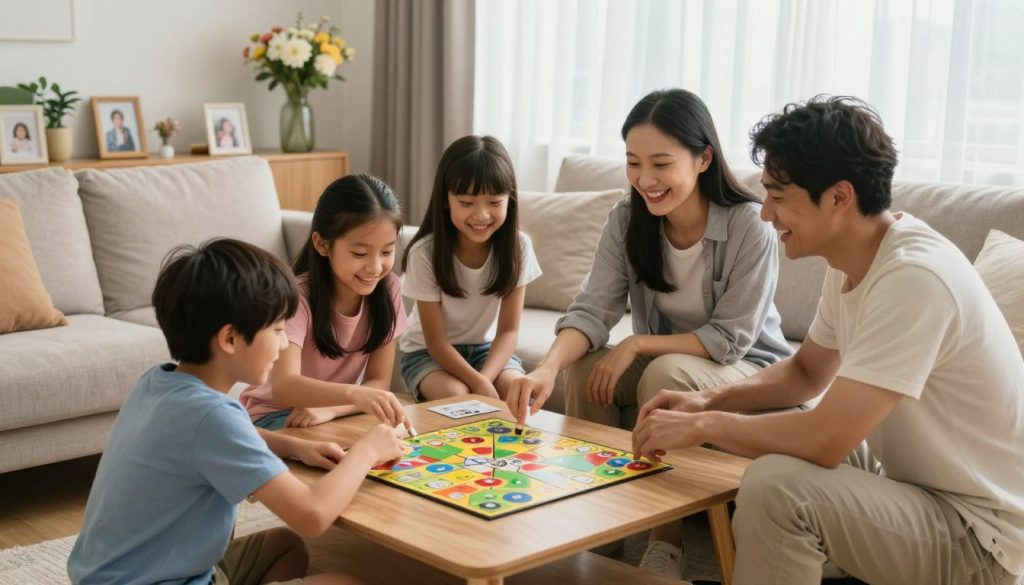
By implementing these strategies, families can create a positive home environment that promotes unity, understanding, and overall well-being.
Foster Cooperation and Teamwork
Fostering cooperation and teamwork is essential for a united family front. When family members work together towards common goals, they strengthen their bond and create a more harmonious home environment.
One effective way to promote cooperation is by assigning tasks that are suitable for each family member’s age and ability. This not only teaches responsibility but also gives everyone a sense of contribution to the family’s well-being.
Assign Age-Appropriate Responsibilities
Assigning age-appropriate responsibilities helps in distributing workload evenly and teaches children important life skills. For younger children, simple tasks like feeding pets or setting the table can be a good start.
- For toddlers: Picking up toys and books
- For older children: Helping with laundry or assisting in meal preparation
- For teenagers: Managing their own schedules and contributing to household chores
Work on Projects as a Family Unit
Engaging in projects together as a family unit fosters teamwork and cooperation. It could be anything from planning a vacation, working on a garden, or even renovating a part of the house.
Benefits of family projects:
- Enhances communication among family members
- Promotes problem-solving skills
- Creates lasting memories
Encourage Siblings to Support Each Other
Encouraging siblings to support each other is crucial for building a cohesive family unit. Parents can model supportive behavior and encourage older siblings to help younger ones with tasks or homework.
By fostering a supportive environment, siblings learn valuable lessons about empathy and cooperation.
Conclusion
By implementing the strategies outlined in this article, families can take significant steps towards improving family relationships and building strong family bonds. Establishing clear communication channels, setting shared goals, and practicing conflict resolution techniques are essential for creating a harmonious home environment.
As families work together to establish consistent routines, minimize stress triggers, and celebrate successes, they lay the groundwork for a more supportive and loving atmosphere. By assigning responsibilities, working on projects together, and encouraging sibling support, family members can foster cooperation and teamwork.
The journey to achieving family harmony is ongoing, but with persistence and dedication, families can enjoy a more peaceful and loving home life. By prioritizing improving family relationships and building strong family bonds, families can create a lasting foundation for happiness and well-being.